Vestibular Disorders - Trusted Specialists for Sustained Comfort


Balance and spatial orientation are important for everyday functioning, and when the vestibular program is affected, it could cause dizziness , disorientation, and problem maintaining stability. Care for vertigo conditions is essential for fixing balance and increasing quality of life. These conditions can significantly impact flexibility, but with reasonable analysis and structured treatment methods, patients can perform efficient healing and long-term sign control.
What Are Vestibular Disorders And How Do They Affect The Body?
Vestibular disorders refer to conditions that affect the inner ear and brain programs responsible for balance and spatial awareness. The vestibular program performs strongly with vision and physical input from muscles and joints to maintain equilibrium. When this technique is disrupted, people might experience vertigo , dizziness , unsteadiness, blurred vision, or trouble concentrating. These symptoms can vary in depth and may arise abruptly or persist over time.
What Causes Vestibular Disorders ?
There are numerous factors behind vestibular dysfunction. Common internal ear conditions include benign paroxysmal positional vertigo (BPPV), Meniere's condition, and vestibular neuritis. Viral infections, head injuries, ageing, and neurological conditions also can contribute to balance issues. In some cases, headaches or treatment unwanted effects might induce vestibular symptoms. Understanding the underlying trigger is essential for deciding on the best treatment approach.
How Are Vestibular Disorders Diagnosed?
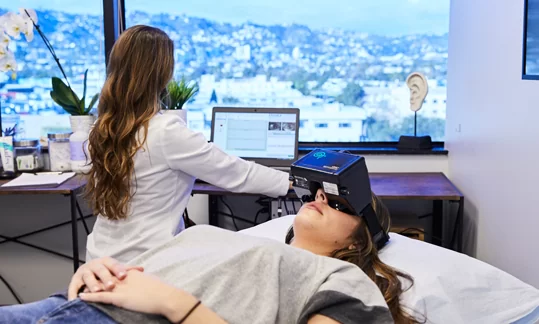
Diagnosis involves an extensive evaluation of symptoms, medical history, and particular balance testing. Healthcare specialists may perform hearing checks, vision motion analysis, and positional maneuvers to determine vestibular function. In more complicated cases, imaging methods such as MRI or CT tests may be used to exclude neurological causes. Exact analysis assures that treatment is targeted and effective.
What Are The Most Effective Management Strategies?
Management of vestibular disorders is dependent upon the main condition. For BPPV, repositioning methods such as the Epley control can help recover balance by repairing inner hearing crystal displacement. Medicines works extremely well to manage sickness, dizziness , or inflammation throughout intense episodes.
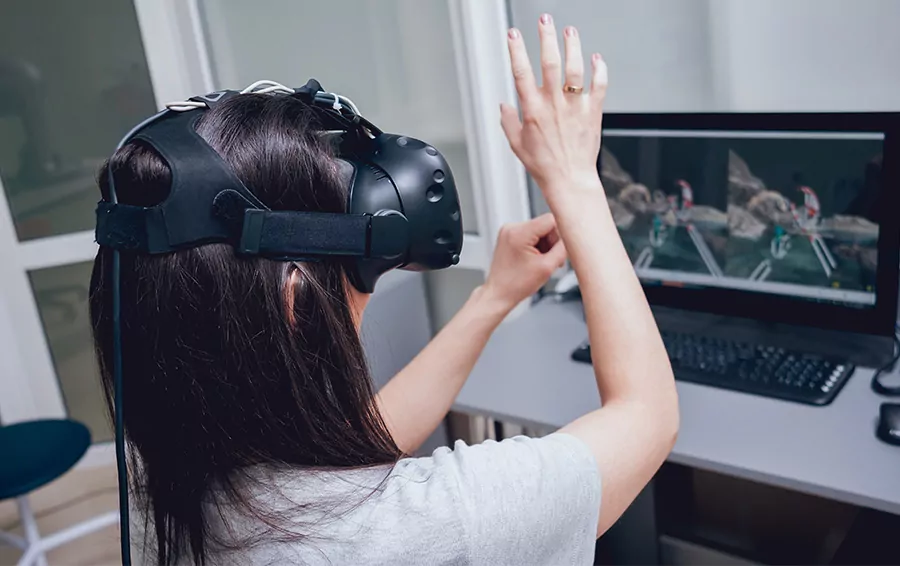
Vestibular rehabilitation treatment is certainly one of the most truly effective long-term strategies. It requires organized exercises that support mental performance conform to balance improvements and improve coordination. These exercises may possibly contain head actions, gaze stabilization, and balance training. With consistent exercise, patients frequently knowledge decreased dizziness and improved stability.
How Does Vestibular Rehabilitation Help Healing?
Vestibular rehabilitation functions retraining mental performance to pay for inner ear dysfunction. Through repeated exercises, the anxious system becomes more effective at control balance signals. This version helps reduce tenderness to movement and diminishes the frequency of dizziness episodes. Over time, patients regain assurance in action and improve their overall physical stability.
Why Is Early Treatment Essential For Vestibular Disorders ?
Early intervention is important to preventing signs from worsening and lowering the chance of falls or injuries. Postponed treatment can result in chronic discrepancy, anxiety, and paid off everyday activity. Seeking medical attention early allows for faster examination and more effective management strategies. It also helps identify any significant underlying conditions that will need specialized care.
What Is The Potential Of Vestibular Disorder Treatment ?
Improvements in medical engineering are increasing how vestibular disorders are recognized and treated. New methods such as for example digital balance assessments, electronic truth rehabilitation, and AI-based diagnostic systems are increasing accuracy and recovery outcomes. Potential treatments are anticipated to be much more individualized, targeting unique dysfunctions within the vestibular system. As study continues, recovery strategies can be much more successful, helping patients achieve quicker and more total repair of balance.